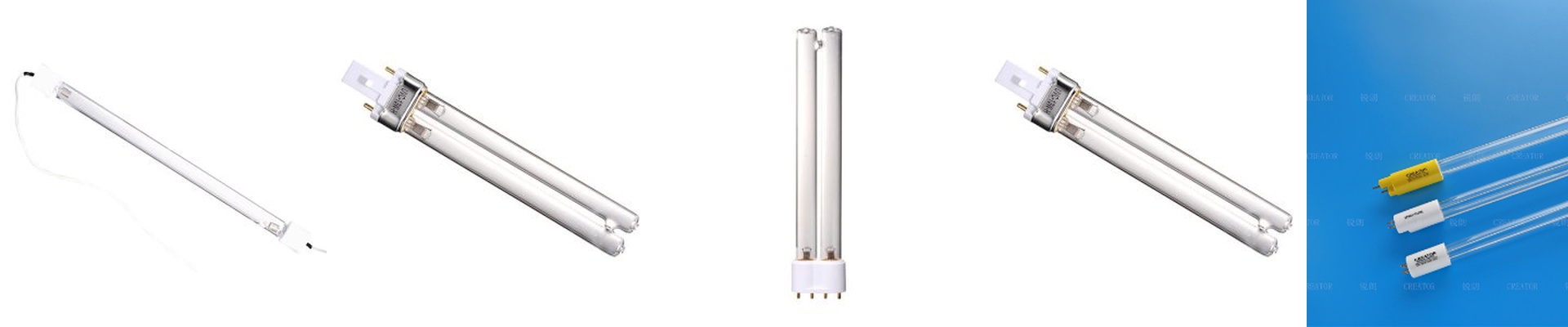
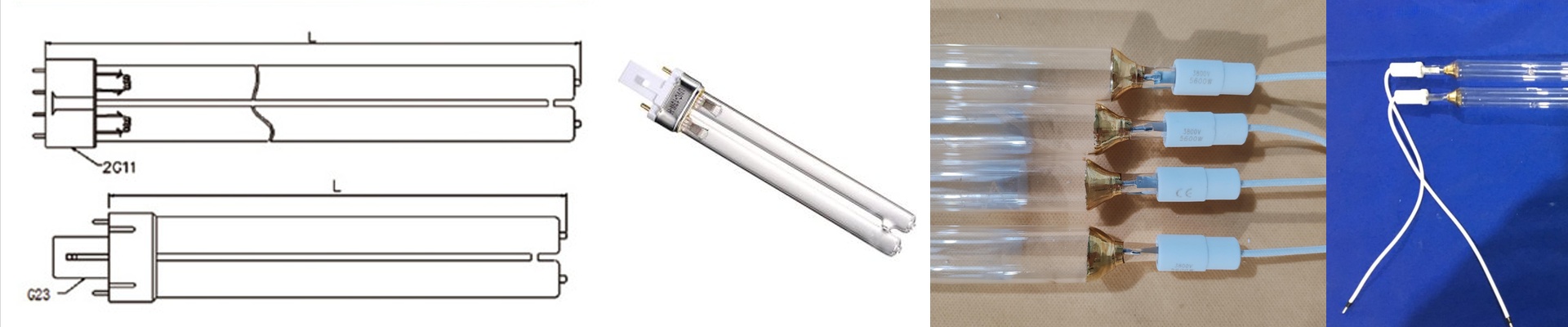
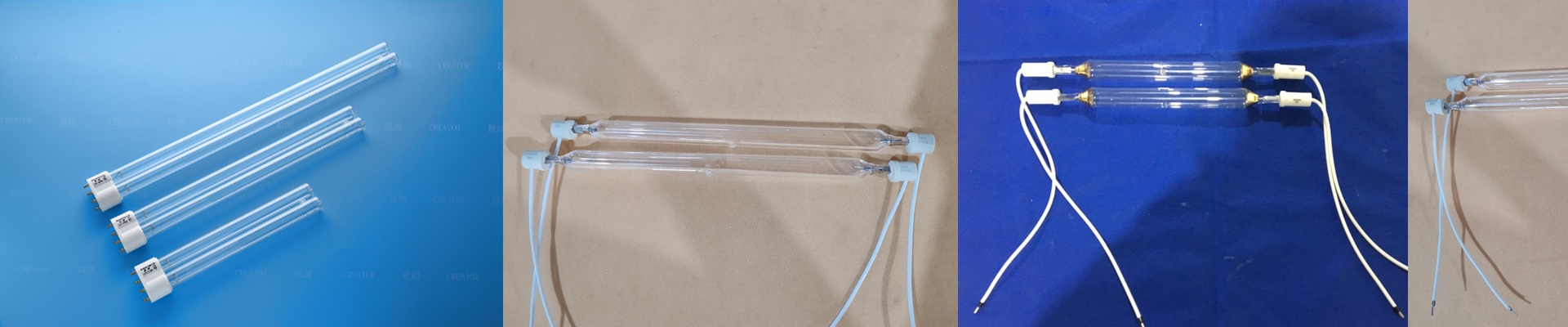
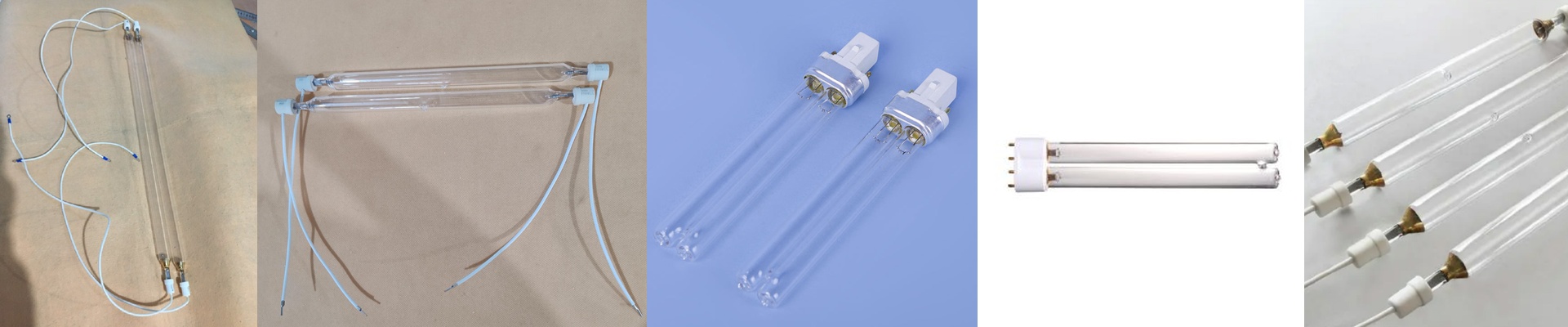
On a crowded shop floor, ambition isn’t the bottleneck. It’s the gap between the work coming in and what your curing line can actually handle. For medium and small screen and offset printers, the ask is straightforward: stable, repeatable UV cure, every pass, without blowing the budget. Eye Graphics UV lamps were built to close that gap. What matters, technically, is this: UV curing is photochemical, not thermal. The lamp’s spectral output has to match the ink’s photoinitiator absorption. For most screen and offset formulations, that means the dominant emission is at 365nm, delivered by a high-pressure mercury vapor lamp with a dichroic reflector to focus the output. Peak irradiance at the substrate surface is what drives cross-linking speed. If irradiance is short, you’re left with residual monomer and weak adhesion. Energy density (mJ/cm²)—irradiance multiplied by exposure time—is the dose that gets you to full cure. Eye Graphics lamps are tuned to hold output steady over the life of the arc tube, so you don’t have to slow the press to chase the drop. Here’s why this works in the real world of smaller plants: predictable performance, lower operating cost, and fewer changeouts. The reflector geometry and coating boost optical efficiency, so more of the UV generated actually hits the substrate. That means you can shorten the curing window at the same line speed, or run faster without losing dwell. Energy use drops because the system cures faster and runs cooler compared to oversized setups. Maintenance gets easier, too—consistent output over thousands of hours cuts the drift that shows up as ink tack, pinholes, and rejects. Match the lamp to the machine. Confirm reflector dimensions, arc length, and electrical interface, including ballast compatibility and voltage. Then verify the cure window the way you should: measure irradiance and energy density at the actual print gap. Substrate reflectivity and ink thickness will shift the dose you need. Give the lamp its warm-up. Spectral output stabilizes after start-up, so let it settle before you judge the cure. If you need ozone-free operation in a tight space, make sure the housing has a proper ozone vent path—and keep airflow unobstructed. Eye Graphics puts the output, repeatability, and value where they count: keeping your jobs running on time, on spec, and in profit.