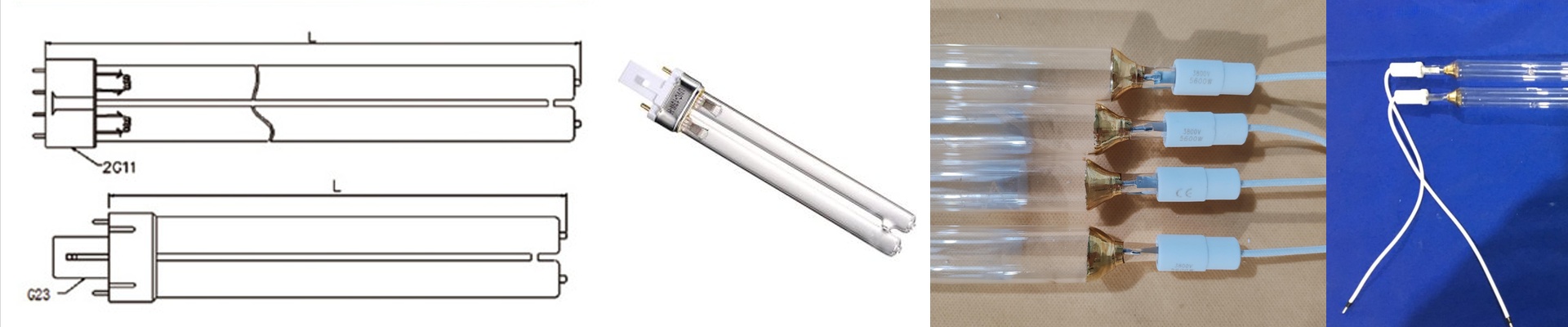
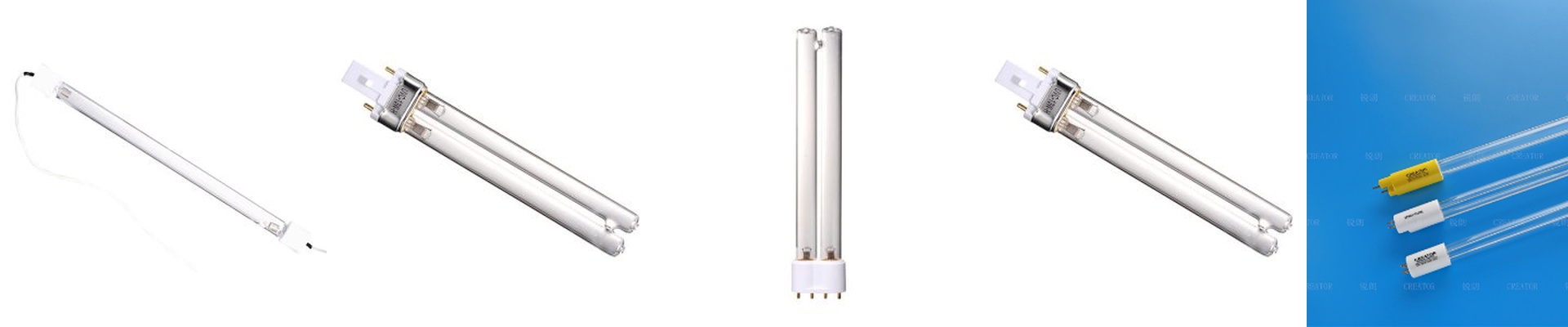
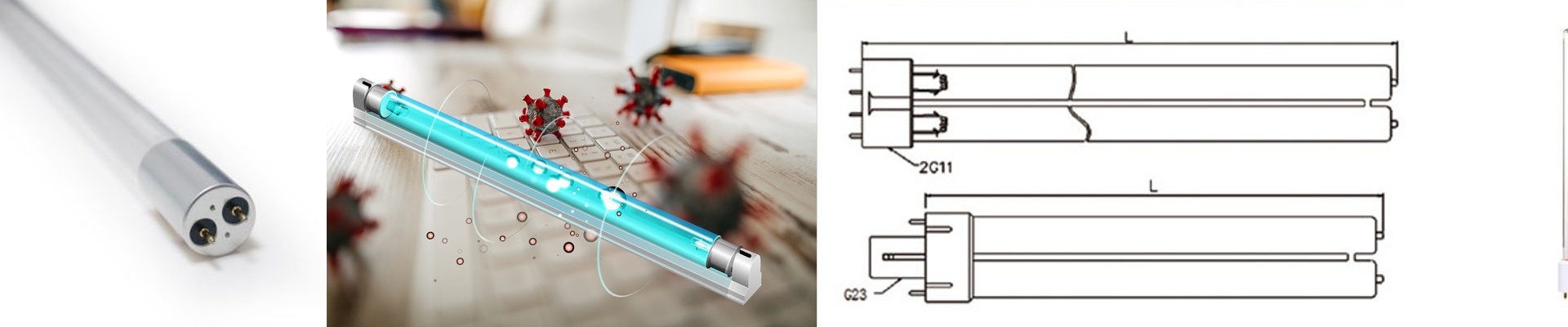
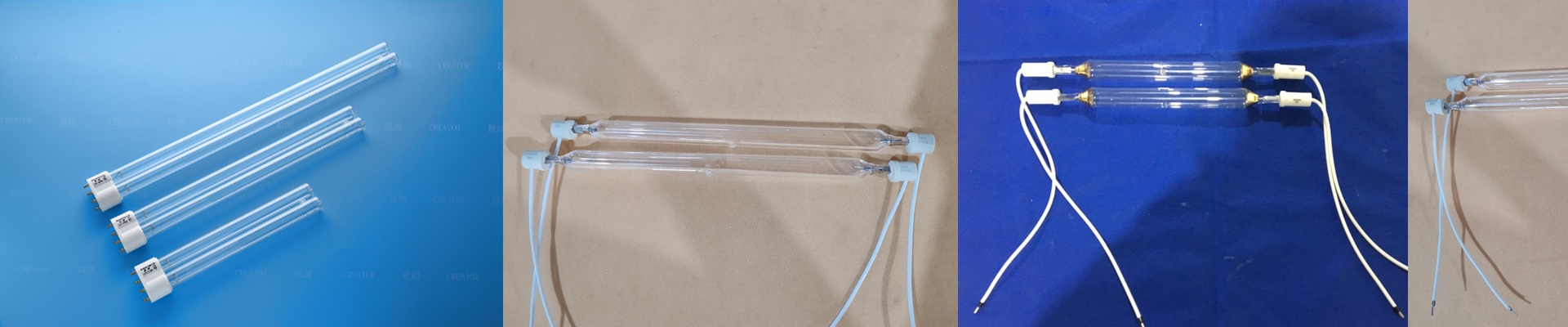
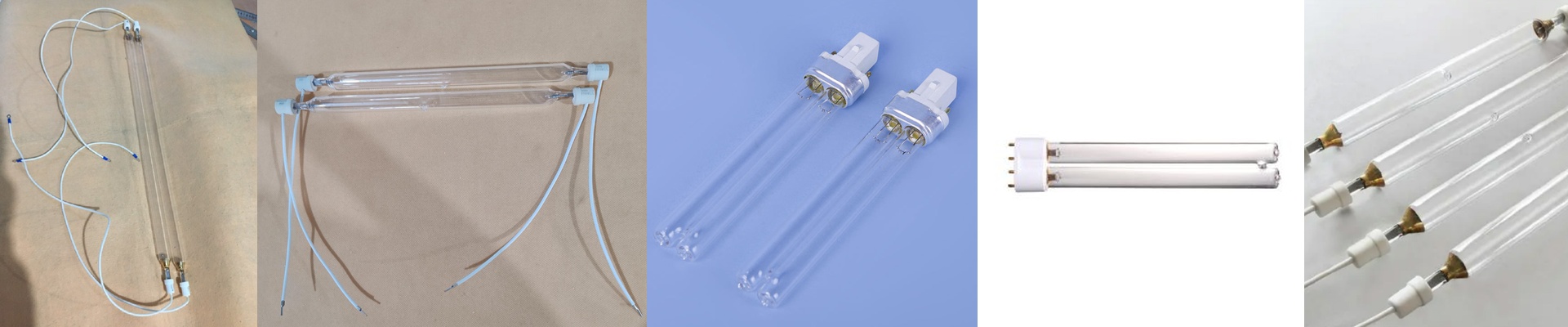
On the floor, a UV lamp that won’t strike the instant the substrate hits isn’t just annoying—it’s downtime. The trigger and the lamp have to speak the same electrical language, or the curing window evaporates. That’s why single-ended UV lamps are built around that dependency: a matched ignition profile and steady spectral output, so the lamp fires when you need it and holds intensity through the run. What matters, technically Think of a single-ended UV lamp as a complete package from ignition to emission. It’s a high-pressure mercury vapor discharge in an ozone-free quartz envelope, paired with a trigger pulse tuned to the ballast and reflector setup. You keep peak irradiance at the target plane, and the spectrum leans on the 365 nm line for deep through-cure, with enough 385 nm and 405 nm to finish the surface cure on thicker ink films. We measure output in mJ/cm², not hype. Reflector efficiency stays up because the dichroic coating reflects UV and passes heat—keeping the substrate cooler and the lamp current stable. Why it works where we run it In UV offset, the lamp has to strike instantly at full power so the ink sets without offsetting. In flexo, it has to cure high-speed, low-viscosity layers without blocking the anilox. In screen, it has to hit with high peak irradiance to get through thick deposits and avoid under-cure. The single-ended design standardizes the lamp-trigger interface, so the same lamp family can be configured for different spectral emphasis—365 nm dominant for offset, a slightly broader output for flexo, and higher peak irradiance for screen—without reworking the electrical train. What you need to keep straight Match the trigger voltage and pulse width to the ballast, and match the lamp wattage and arc length to the reflector geometry. If the triggers don’t line up, the lamp will try repeatedly to strike, and that chews up lamp life and drags output down. Under controlled current, expect real-world lamp life around 5,000–8,000 hours, and track output drift with a spectral radiometer. Installation tolerances are tight: keep the lamp aligned and the cooling airflow consistent. If you don’t, reflector temperature climbs and spectral stability goes sideways.