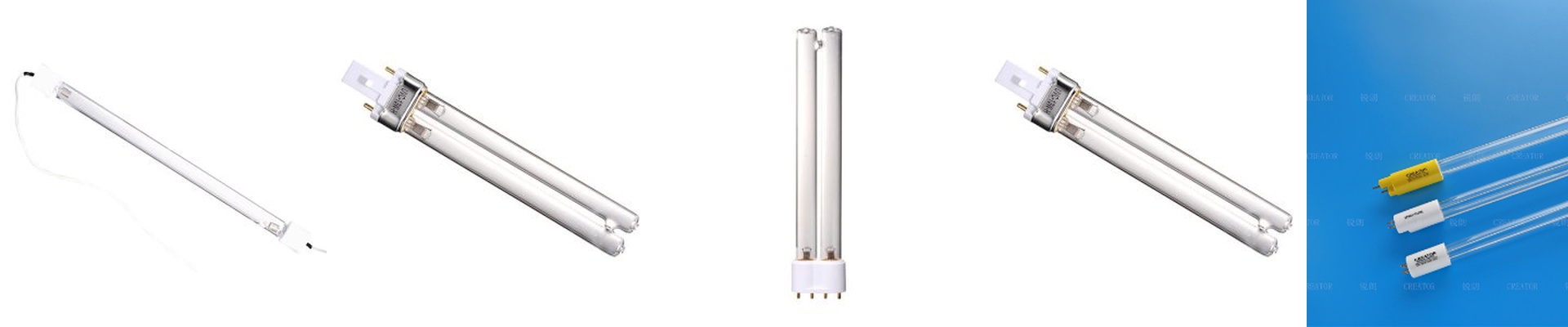
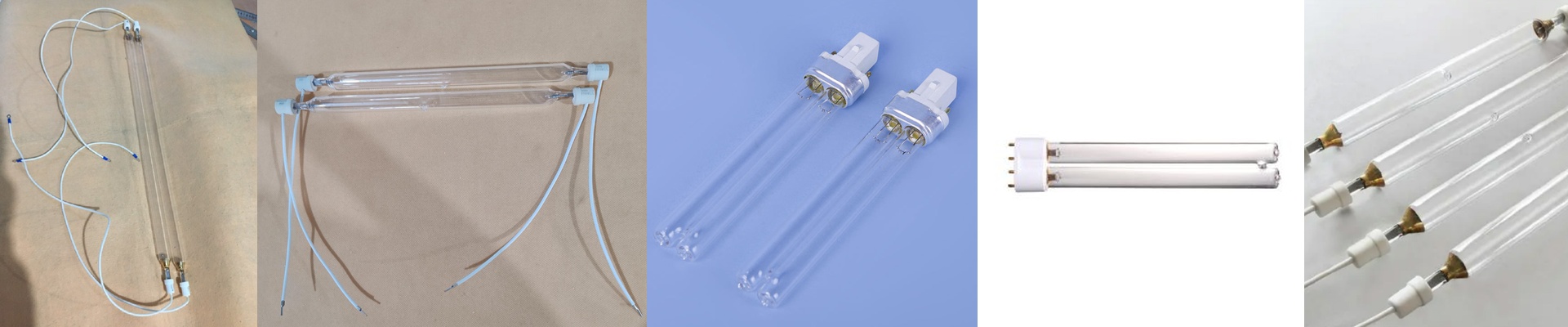
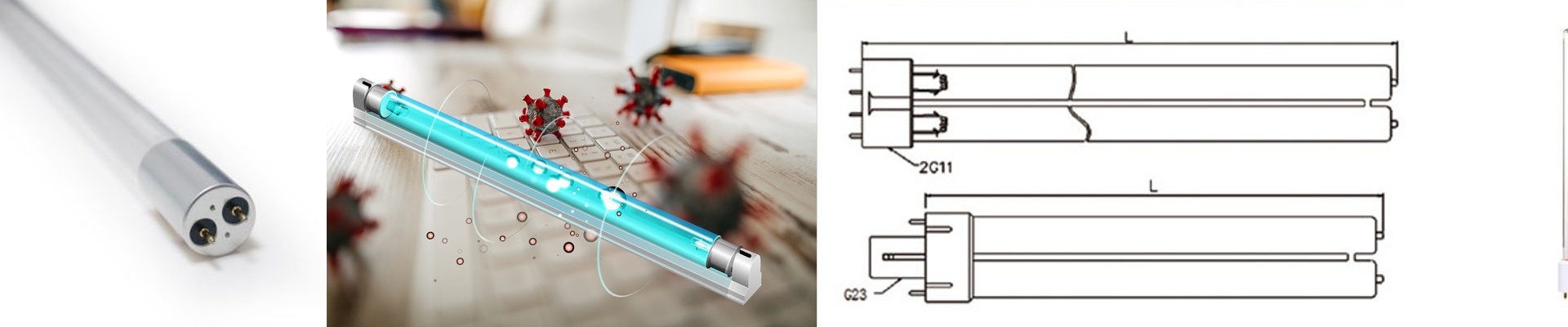
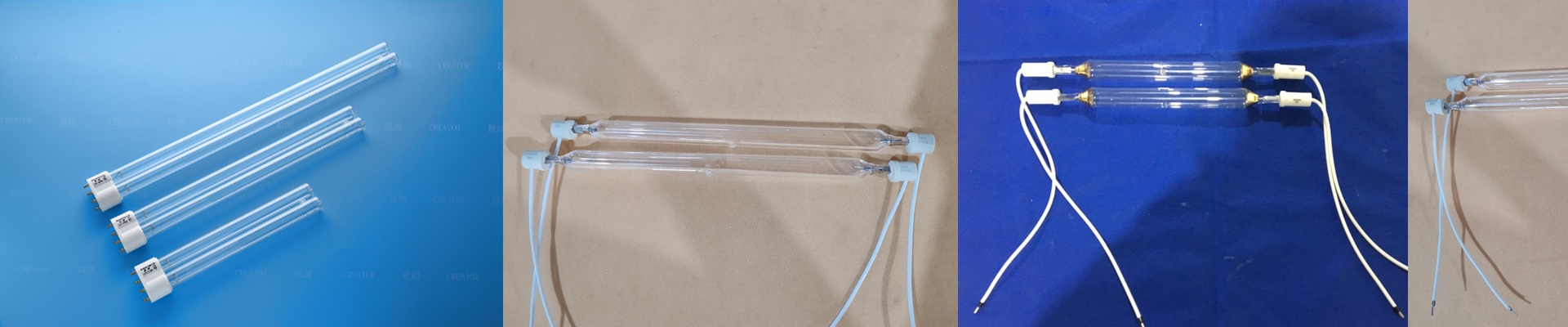
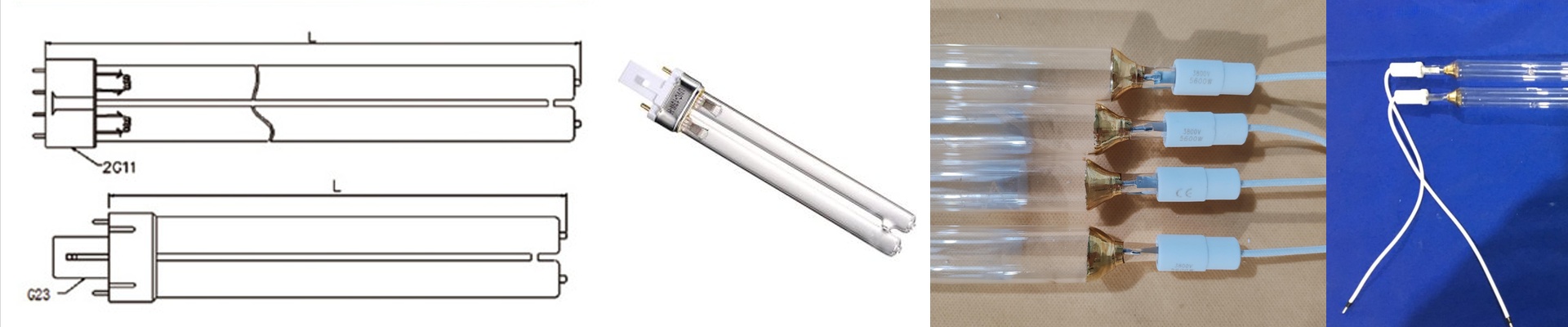
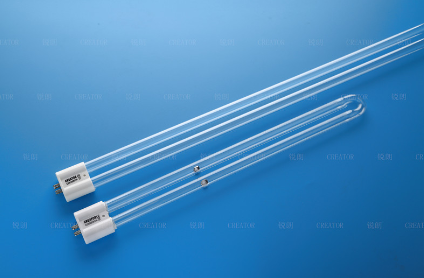
On the plant floor, germicidal UVC systems live and die by uptime and consistent dose. When the lamp runs hot, power drifts, the quartz sleeve takes on stress, and output drops before the shift is done. That’s why cooling isn’t an accessory. It’s the backbone of reliability. Power, Spectral Output, and Dose Control Cold cathode UVC lamps run with lower electrode temperatures, which cuts down on the end-of-life failure modes we see with hot-cathode designs. The 254nm line does the heavy lifting for germicidal action, and the system is built to keep that spectral output steady. We match lamp power to chamber geometry so the delivered intensity at the target plane stays within a tight band. Stability here means predictable log reduction, not crossed fingers. Why Cooling Design Drives Stability and Life A properly executed cooling path keeps lamp wall temperature inside the design window. That keeps thermal runaway in check, holds arc stability, and slows the photo-chemical degradation of the quartz. In practice, you get consistent irradiance across long runs and fewer unplanned lamp swaps. The payoff is repeatable disinfection cycles with less maintenance labor and less process drift. Installation and Operating Realities These lamps are compact and can fit into tight enclosures, but airflow has to be engineered, not guessed at. Inlet temperature, velocity, even orientation—all of it can create hot spots and push output off. Verify the fixture’s air path against the lamp’s thermal tolerance, and make sure the ballast is compatible for stable starting voltage and current. Treat cooling as part of the process spec, and the system will perform the way it was meant to.