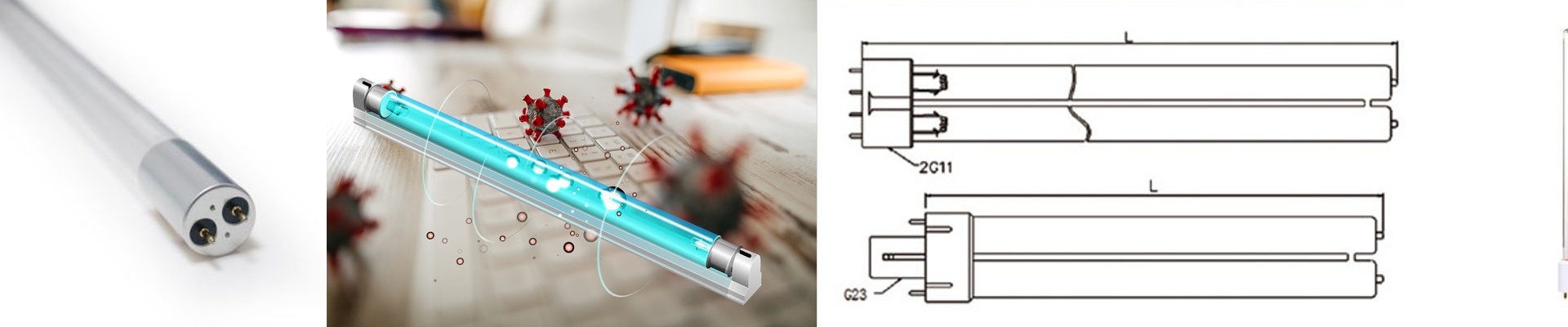
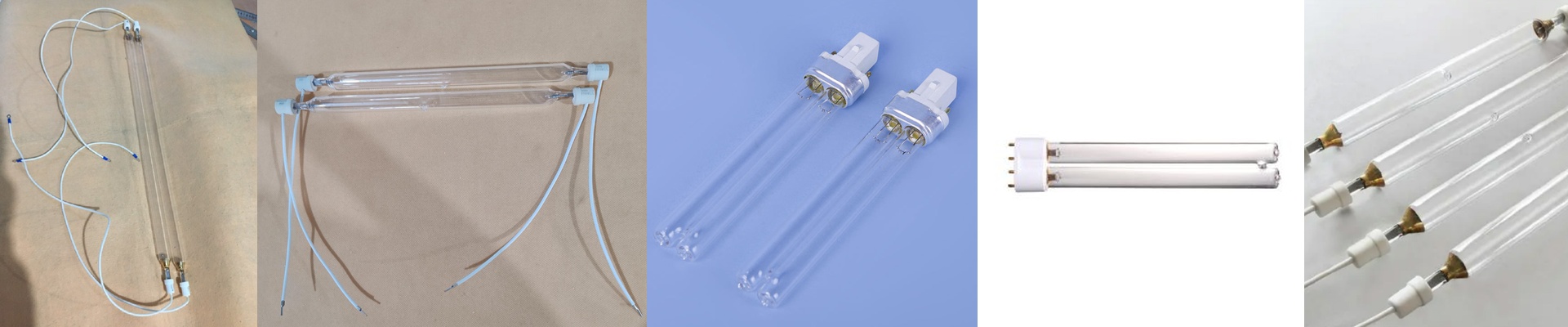
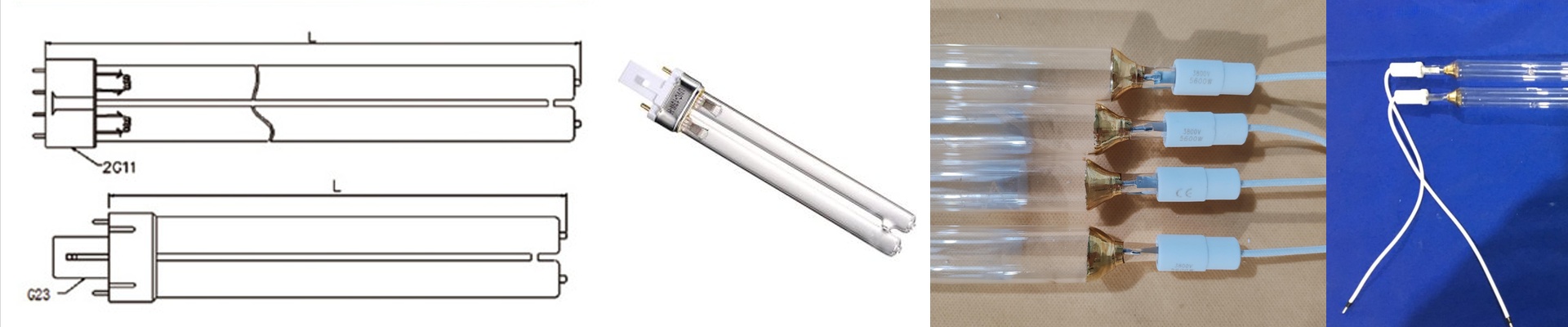
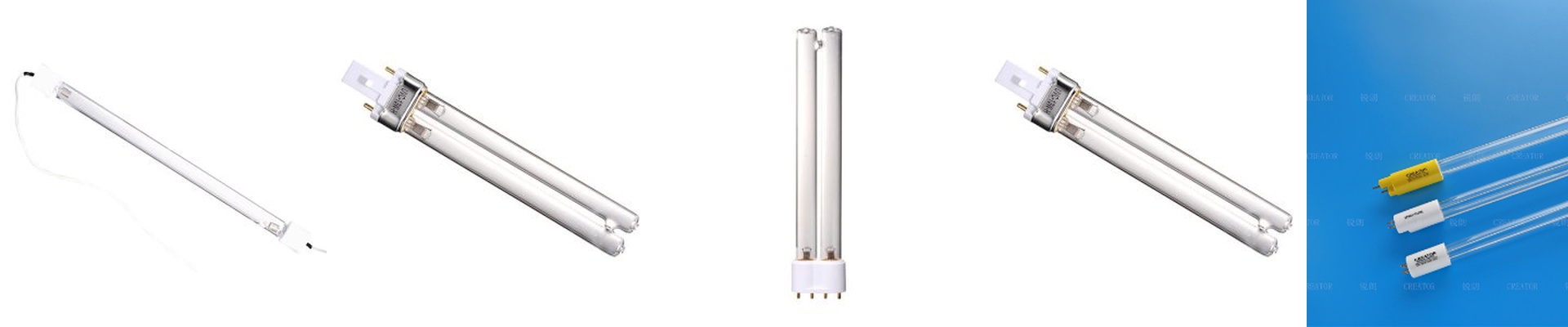
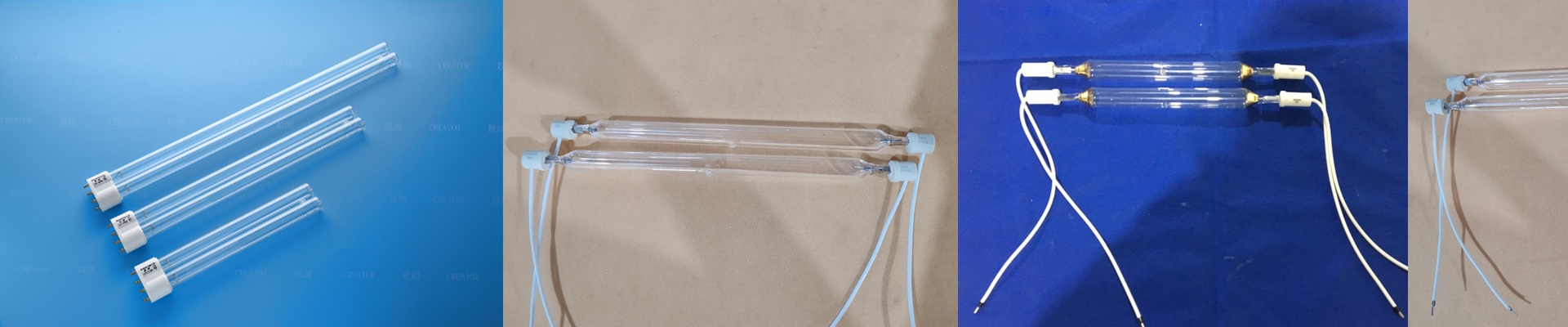
On an electronics printing line, one overheated part can shut the whole line down. Standard UV setups throw energy at the job, and the heat load can delaminate or warp micro-components. The capillary UV lamp gets around that by curing with real thermal discipline. Here’s what matters: spectral control and keeping the heat in check. We shape the capillary arc to hold a stable 365nm or 385nm output, right where modern inks and adhesives’ photoinitiators absorb. Peak irradiance is tuned to hit the energy density you need—typically 800–1200 mJ/cm²—for full cross-linking, while the narrow quartz envelope keeps substrate temperature rise under 10°C. Reflector geometry and dichroic coatings shape the beam, cutting stray heat and squeezing more photons into the cure. Why it works on the line is straightforward: you cure without scorching. The capillary form concentrates the UV field into a small footprint, perfect for close-proximity curing on dense PCBs and fine-pitch parts. Output holds steady for 3,000 hours, with less than 5% drop in irradiance. That means consistent cure depth, fewer rejects, and predictable lamp replacement intervals. Energy draw drops, and you can shorten cycle times without eating into your thermal margin. A few practical notes. The lamp needs precise alignment inside the reflector cavity, and you need a power supply that holds arc current stable. Make sure your printer’s curing station has adequate airflow, and keep the substrate within the specified distance—usually 10–20mm—so irradiance and temperature stay where they were designed to be.