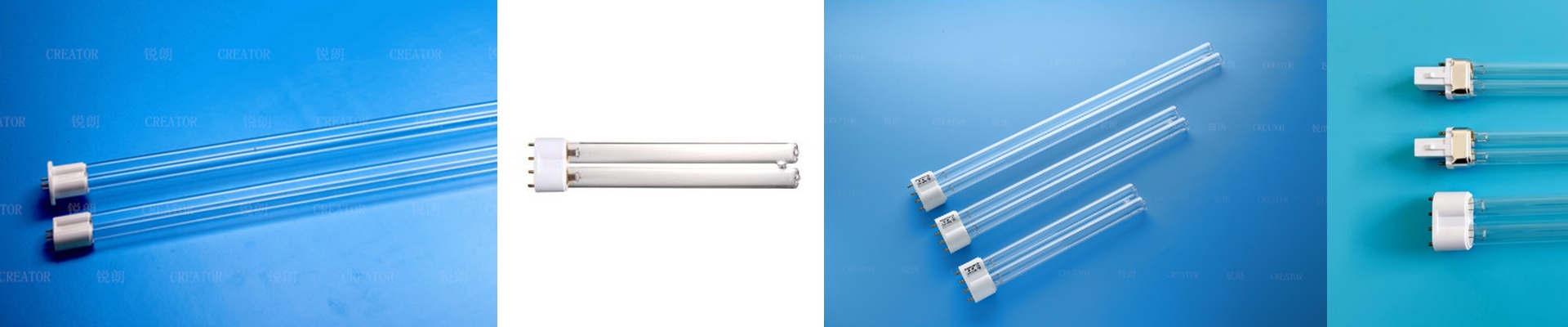
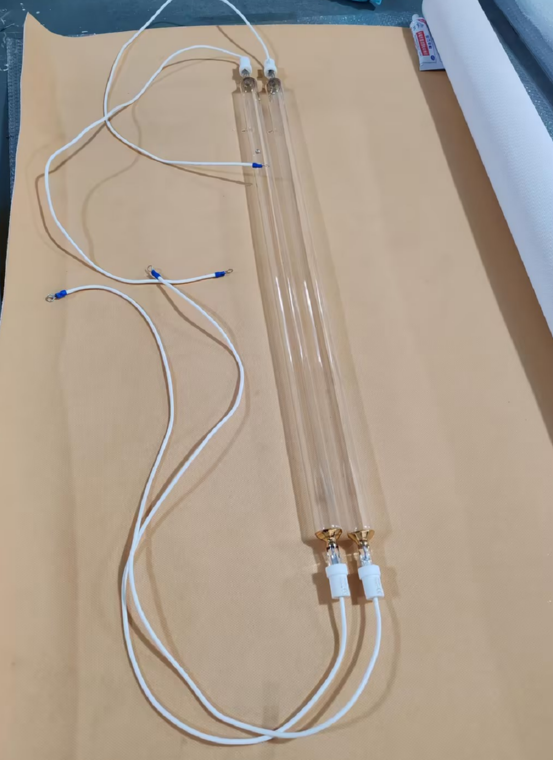
Stop Guessing With Your UV Sterilization
Most UV systems are basically black boxes. You flip a switch, hope the lamps are hitting the right intensity, and just… wait. You wait for a bulb to burn out or a batch to fail before you actually do anything. It’s a stressful way to run a cleanroom. We’re changing that. We’re moving away from the “hope for the best” method and moving toward actual, real-time energy monitoring.
Tracking Power as it Happens
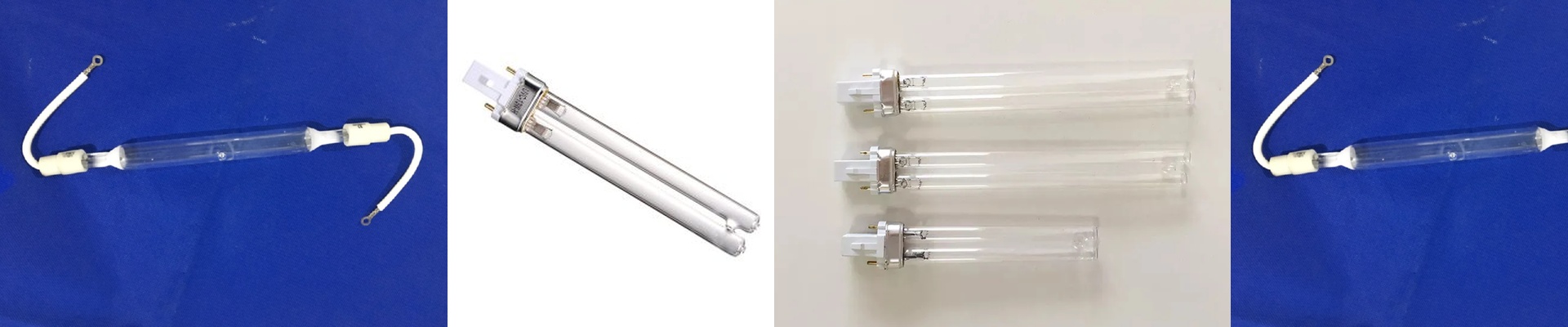
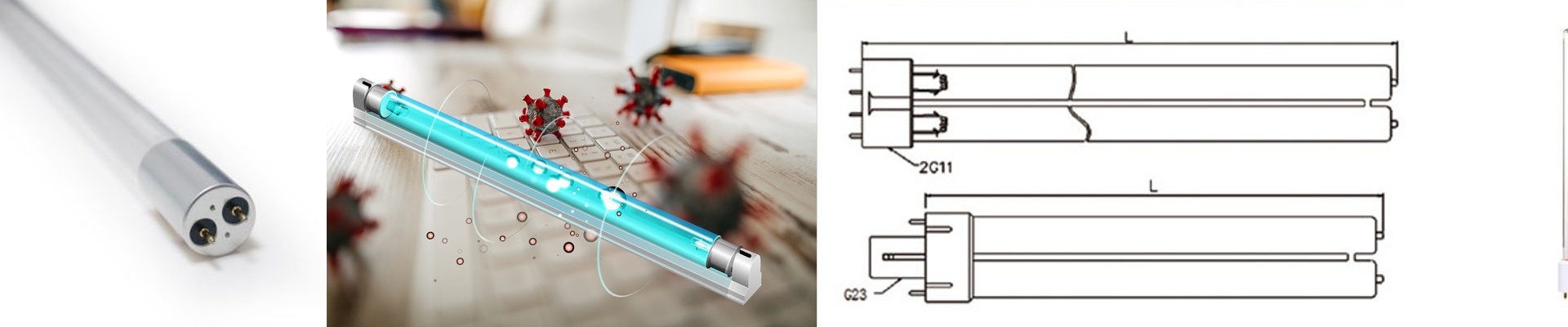
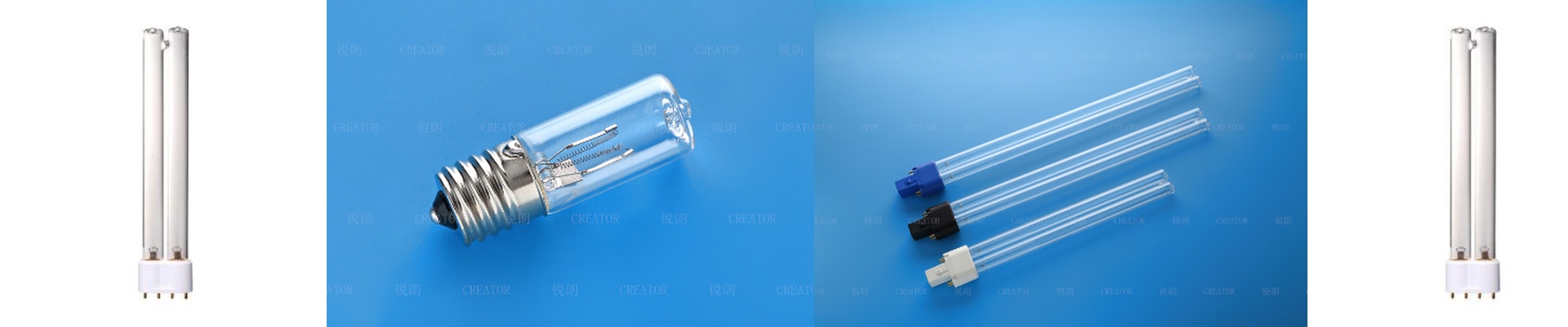
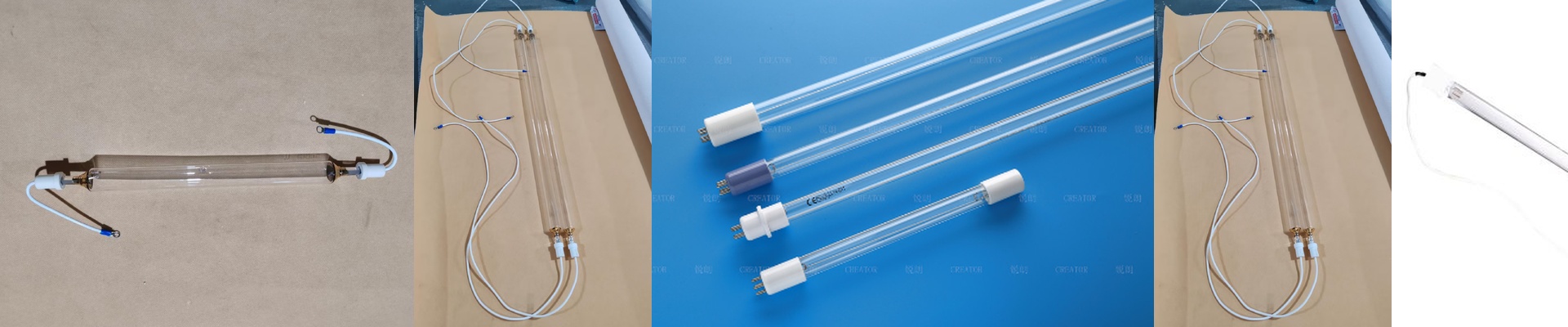
Here’s the thing: standard UV-C setups waste a ton of energy. Between clunky ballasts and timers that run longer than they need to, it’s inefficient. But when you throw in current sensors and IoT gateways, everything changes. Now, you can see exactly how much power every single lamp is pulling. If a tube starts flickering or the voltage dips, you’ll know immediately. We set the system to flag any lamp that drifts by more than 5%. It’s a simple alert, but it saves you from the nightmare of discovering an under-sterilized batch after the fact.
The Trade-offs (Because Nothing is Perfect)
Now, making a system “smart” does add some bulk to your electrical cabinet. More hardware means more parts that could potentially break. There’s also a bit of a tug-of-war between data and noise. If you sample the data too fast, you get a crystal-clear picture, but you also get a lot of electrical “noise” that can clutter your signal. We’ve found a sweet spot. A balanced polling rate that catches when a lamp is dying without clogging up your network.
What This Actually Does for Your Day
This turns maintenance from a chore on a calendar into something based on reality. You stop replacing lamps just because it’s “Tuesday the 15th.” Instead, you replace them because the data shows the output is actually dropping. It means your lamps last longer and your techs spend way less time crawling inside sterilization chambers. Plus, you finally get a clear look at your energy bills. When you’re ready to expand the plant, you’ll actually know how much power to spec out for the new gear. No more guessing.