Let’s talk about what actually goes into a UV lamp
For 15 years, we mostly just put our name on other people’s gear. But we got tired of that. We wanted to build our own lines—lamps that hit the same power and lifespan as the big-name international brands, but without that “luxury brand” tax you usually have to pay. See, a lot of people think industrial UV lamps are just glass tubes. They aren’t. They’re precision tools. The chemistry of the quartz and how stable that arc stays is what actually decides how fast your production line can run.
The truth about quartz
It all starts with the sleeve. We use high-purity fused silica because we need as much UV light as possible to get through. Here’s the problem: if the quartz is “dirty” (meaning it has impurities), it starts absorbing the UV radiation. That radiation turns into heat. The tube stresses out, gets too hot, and burns out way before it should. By keeping the purity tight, we make sure that shortwave radiation just slides right through the wall.
Heat, power, and the “burn”
When you look at a datasheet, the wattage and voltage can feel like just another set of numbers. But in the real world, those numbers mean heat. If you cram high wattage into a small space, things get hot. Fast. To stop the ends of the lamps from blackening and dying early, we spend a lot of time balancing the electrode materials and the gas fill. And a quick heads-up: if you run these things at full blast, your ballasts are going to feel it. If your cooling fans aren’t up to the task, you’re looking at a 20% to 30% drop in how long your lamps last. It’s a steep price to pay for bad airflow.
Making it actually fit
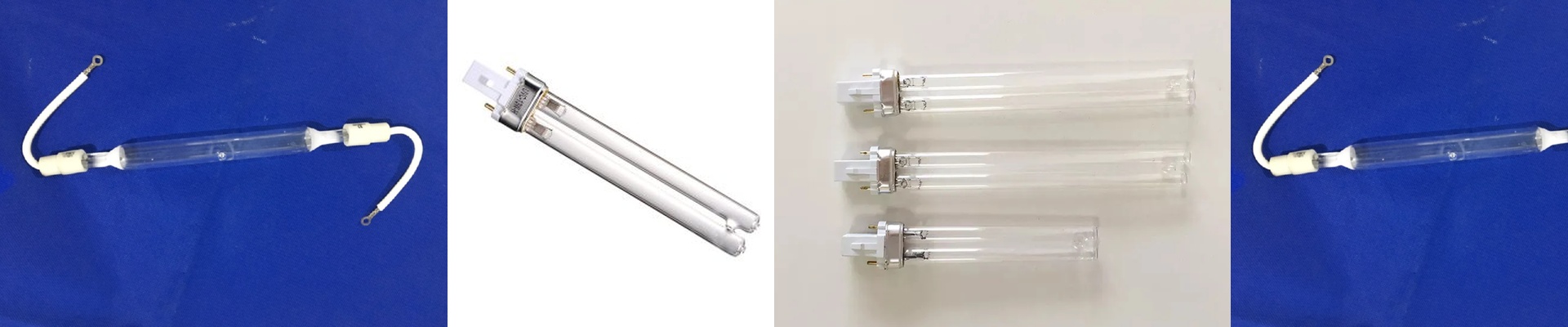
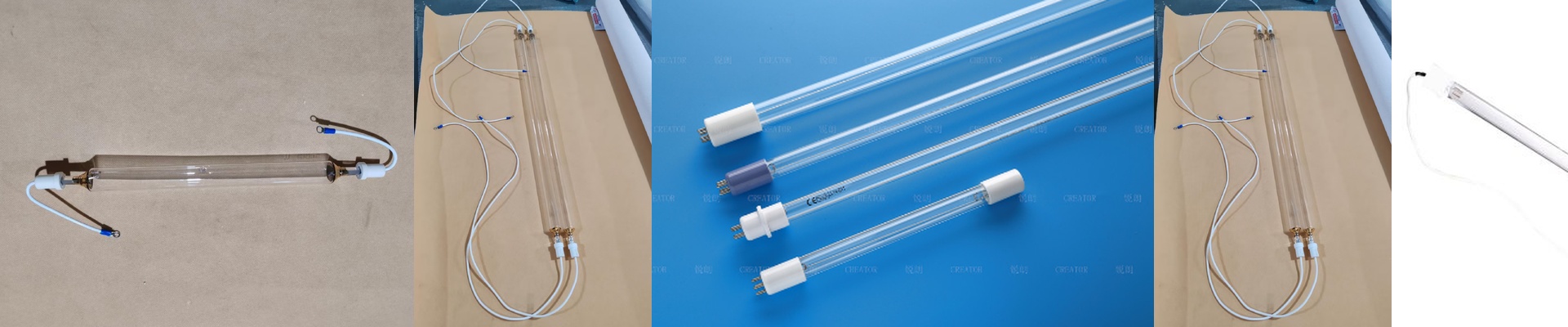
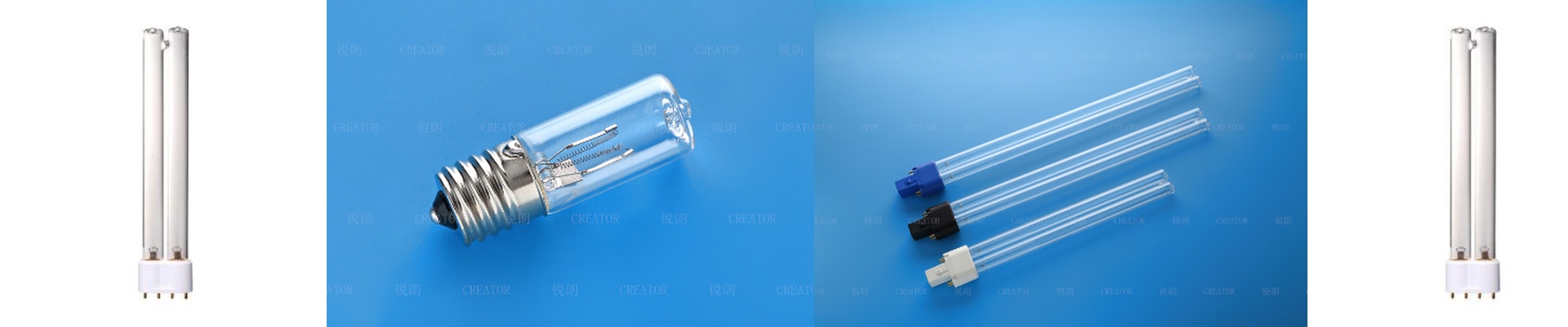
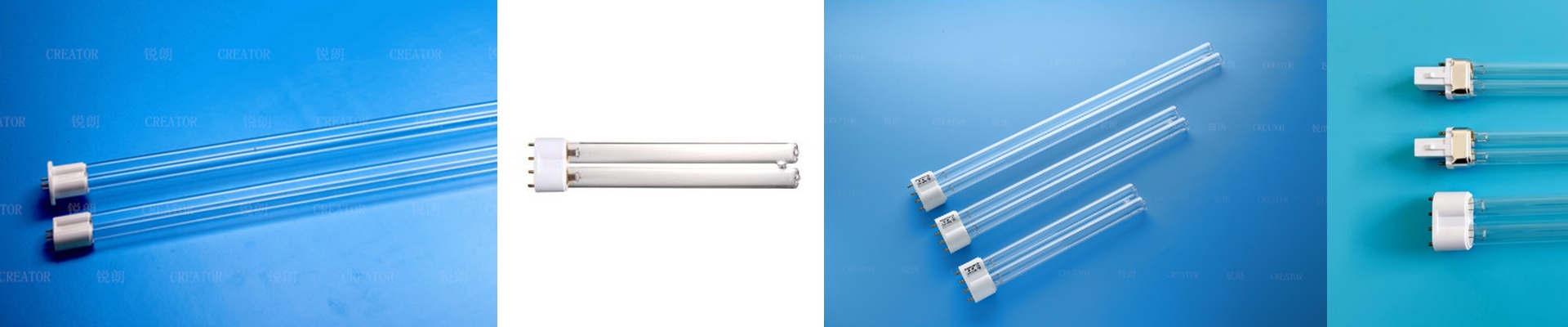
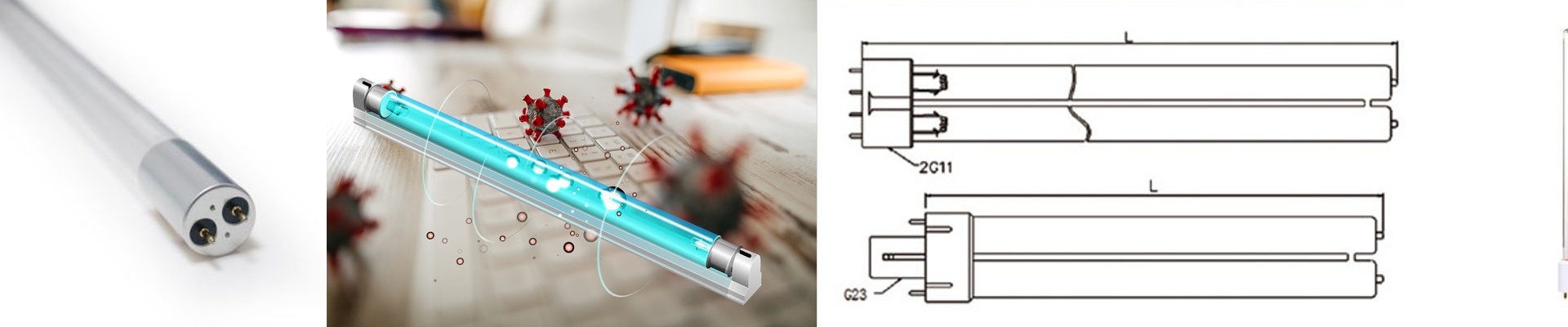
There is nothing more frustrating than a replacement part that almost fits. We build our tubes to be simple drop-in replacements. Whether you’re curing adhesives or sterilizing a surface, the fit has to be spot on. If a connection at the end cap is even slightly loose, you get arcing. Then you get a failure. Then you get a dead production line. We keep the tolerances on the pins and sockets incredibly tight. It means a secure electrical seat, faster swaps, and way less downtime. You just plug them in and get back to work.