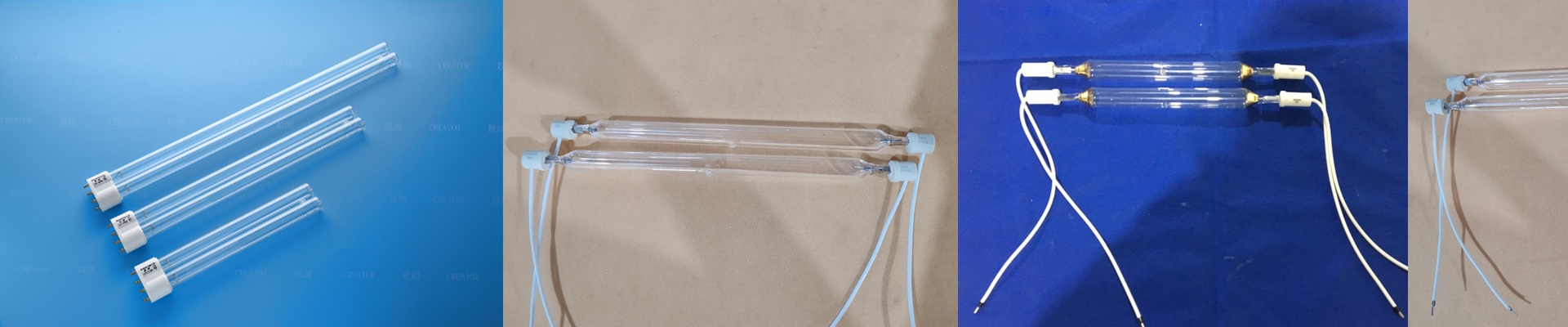
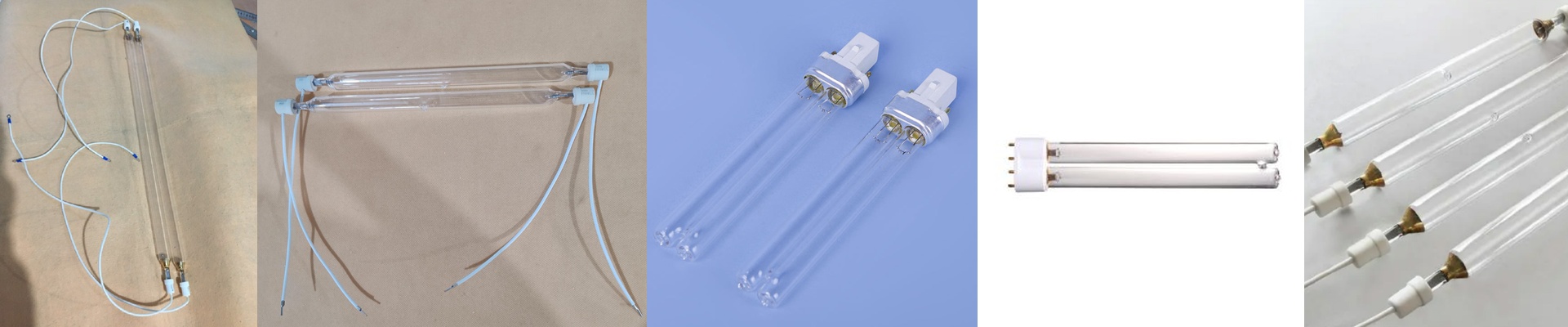
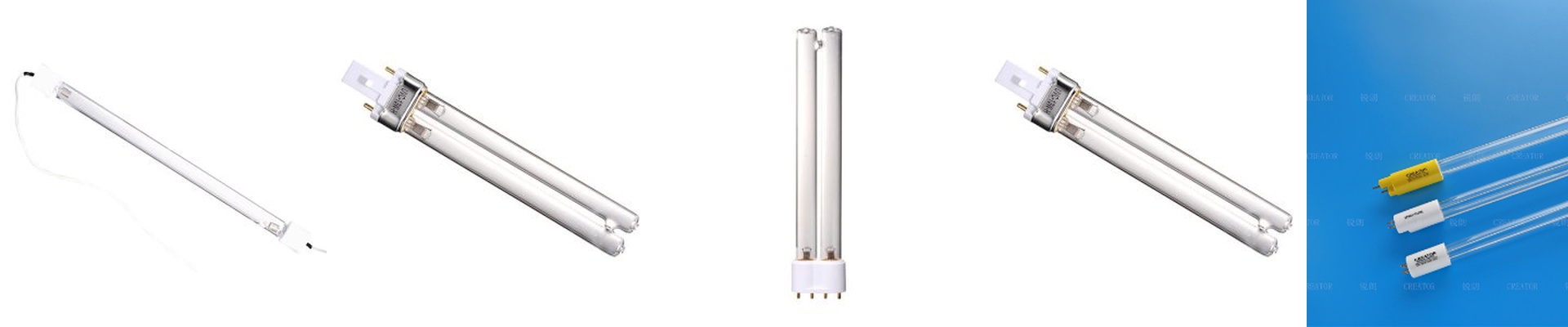
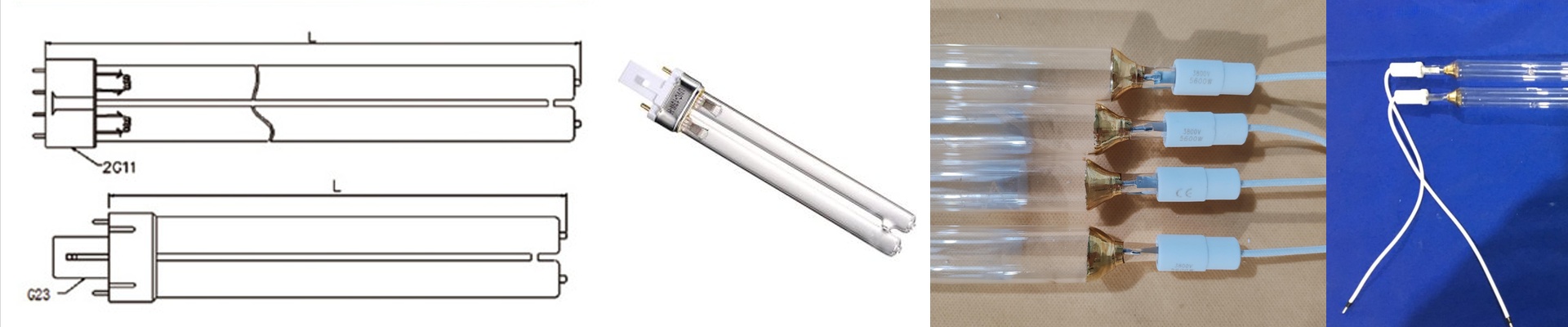
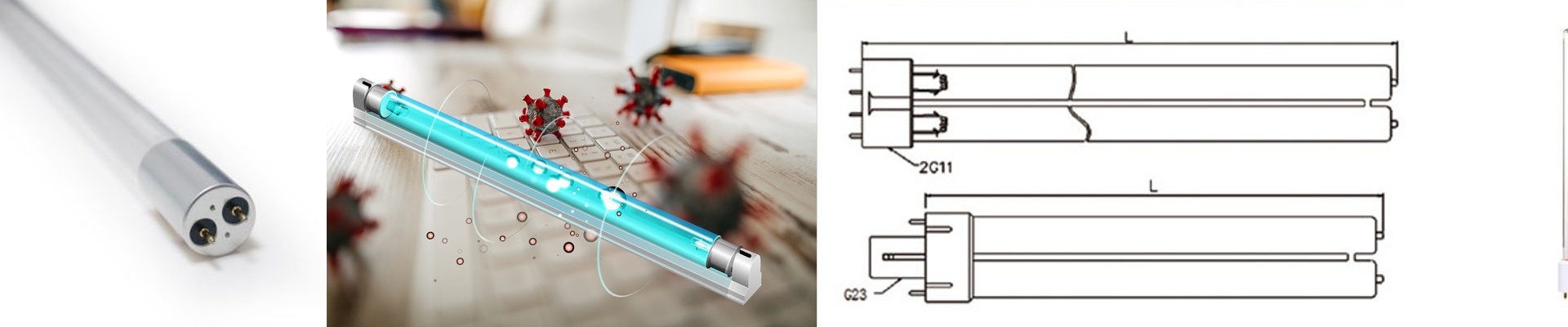
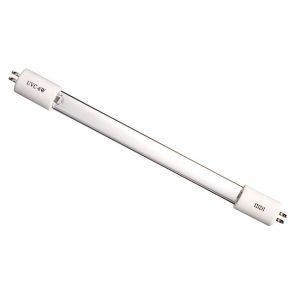
On the auto parts line, powder cure schedules don’t forgive mistakes. Undercure gives you poor adhesion and mar resistance. Overcure wastes energy and can make parts yellow. Run IR alone and you get a temperature profile that lags at the surface while the substrate soaks up heat. Drop in UVC tubes and the physics shifts. Light drives the cross-linking, not bulk heat. What matters, technically We spec germicidal UVC tubes in T5 and T8 formats, with stable 254nm output and ozone-free quartz envelopes. You keep peak irradiance even along the lamp length by holding a tight arc gap and steady mercury vapor pressure, so the dose at the coated surface is repeatable. Power density is matched to line speed and coating thickness, so the energy density lands right in the photoinitiator absorption band—enough to cure without overheating the substrate. The spectral output is narrow enough to avoid broad heating, yet intense enough to finish the cure in seconds. Expect stable output for thousands of hours, with controlled end-of-life decay you can track using a radiometer instead of guessing. Why it sticks in automotive powder With a hybrid IR-UV setup, you get two independent knobs. IR handles bulk temperature and flow-out. UV drives surface polymerization. That decoupling shortens overall dwell, lowers peak energy draw, and tightens the cure window. When line speed changes, you see fewer rejects. You also get more consistent gloss and hardness across complex geometries, with less thermal stress on sensitive substrates. Here is what you need to watch UVC means containment and interlocks—no shortcuts. Shield the lamps, ground them, and align them to the reflector geometry so you hit the target irradiance. Before re-lamping, verify fixture compatibility: T5 and T8 end-cap types, pin spacing, and voltage. Keep the quartz surfaces clean; even a thin film of powder residue will cut output measurably. Schedule lamp replacement based on radiometer readings, not the calendar, so cure repeatability stays intact.