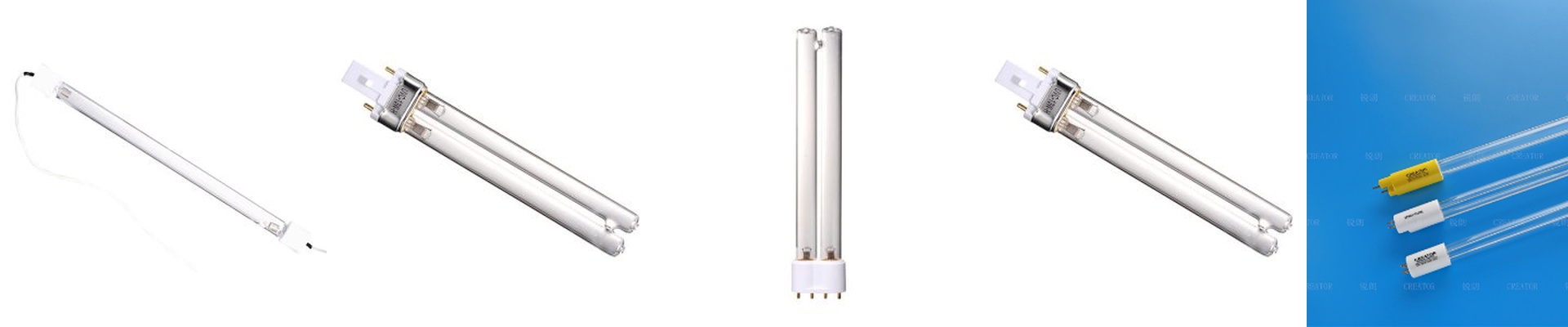
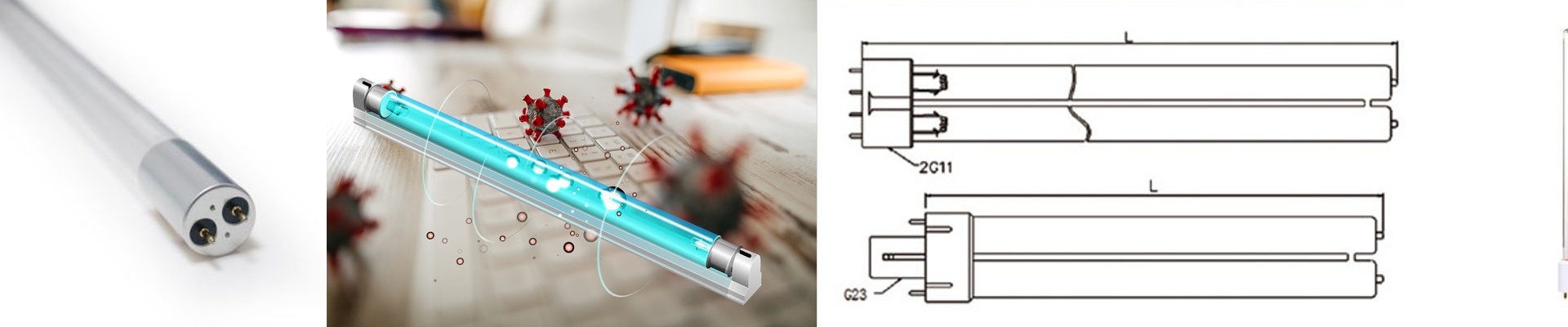
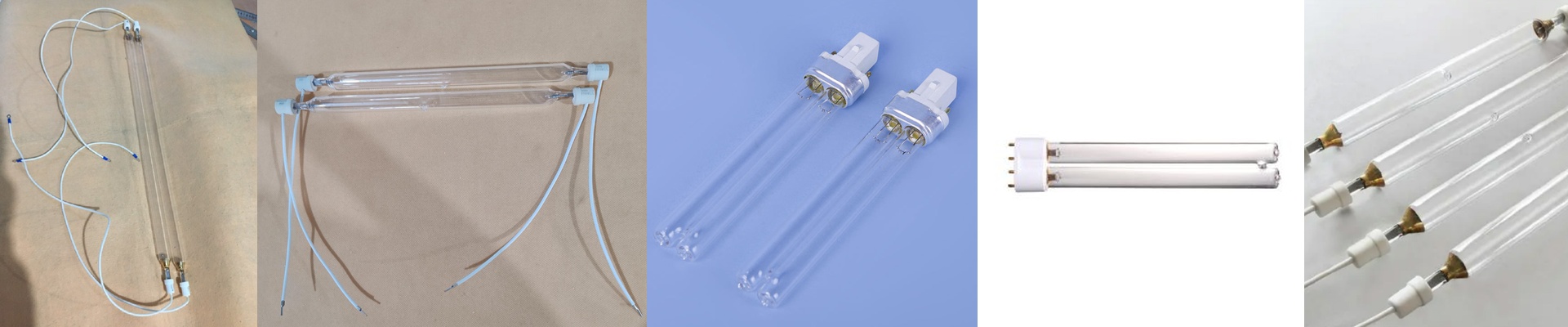
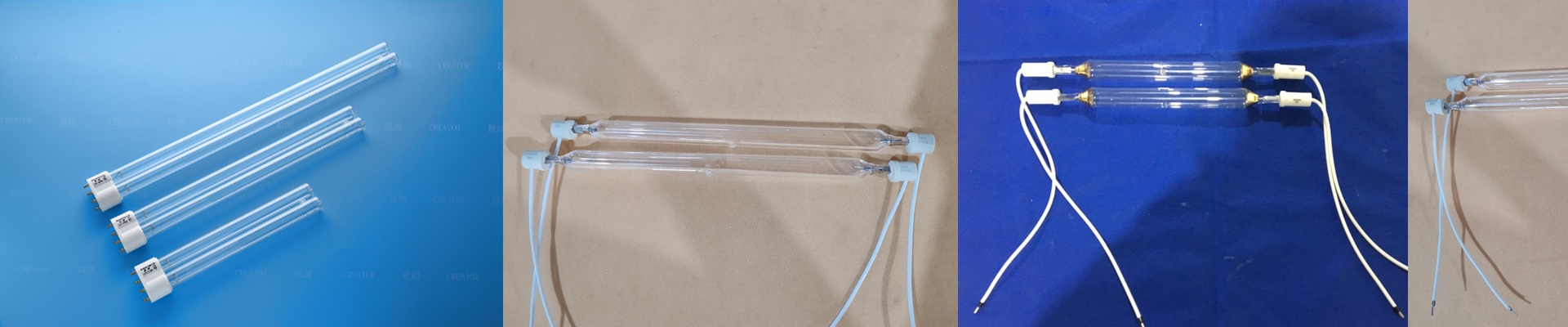
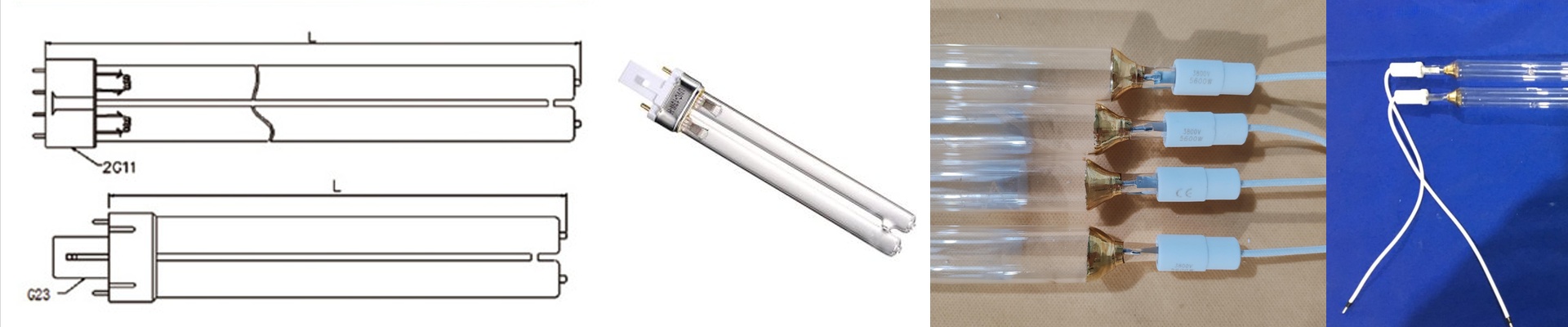
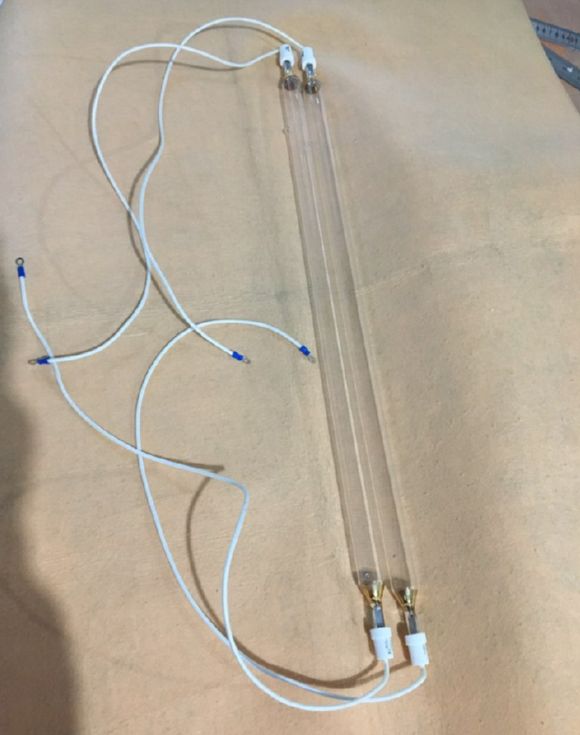
On the press floor, space never grows — but throughput demands always do. The question we keep hearing from offset printers is straightforward: how do you boost curing capacity by 30% without lengthening the cabinet or reworking the delivery? The answer is a modular, high-efficiency mercury UV lamp system built as a straight drop-in. What actually matters under the hood This module runs a high-pressure mercury vapor lamp with a spectral output tuned to peak at 365 nm, aligned to the absorption band of the photoinitiators in standard offset inks. You get peak irradiance of 12–15 W/cm² measured at the substrate plane, delivering curing energy density in the 800–1200 mJ/cm² range for typical ink films. A dichroic-coated quartz reflector focuses the output while keeping infrared load down, and the ozone-free design helps hold operating temperatures in line. Output stays stable over 3,000–5,000 hours, with spectral maintenance within ±5%. Why it fits the press as-is The module is built to plug in and run: same envelope dimensions, standard electrical termination, and fixed focal distance. In practice, you swap out the existing lamp without re-engineering the delivery section. Higher peak irradiance shortens the exposure window, so you can push press speed up by up to 30% while still getting full cross-linking and a proper surface cure. You end up with faster job changeovers, less risk of scumming, and consistent control of ink set-off — all without moving the curing station. What you need to double-check Because the spectral output and reflector geometry are matched, confirm arc length, lamp diameter, and mounting interface against your press model. Check power supply compatibility too — the module draws more current than the unit it replaces. Expect a short warm-up before output stabilizes, and schedule curing validation with a radiometer across the full width to confirm dose uniformity.