Keeping Your UV Systems Steady in a Noisy Shop
If you’re running a few large-scale printing presses in one shop, you know exactly how “noisy” the electricity gets. Between the high-frequency drives and the heavy motors kicking in, there’s a lot of electrical chaos happening behind the walls. That’s where things get tricky for gallium iodide lamps. If a lamp isn’t built to handle that electromagnetic interference (EMI), you start seeing the red flags: flickering, unstable output, or ballasts that burn out way sooner than they should. It’s a headache nobody needs.
Stopping the Flicker
We’ve spent a lot of time making sure our lamps keep a steady arc, even when the power coming out of the wall is “dirty.” Generic lamps usually choke when a neighboring machine spikes the voltage. We tackle this by obsessing over the electrode chemistry and the exact gas fill. The goal? A lamp that doesn’t just “drop out” or blink the second a press next door ramps up to full speed. But here is the thing: stability isn’t just about the glass. It’s about the relationship between the lamp and the power supply. When that arc stays steady, your UV dosage stays consistent. If your output dips by even 5%, your ink doesn’t cure. That means you’re looking at blocking or smudging on the final product—and that’s a costly mistake.
The Reality of the Shop Floor
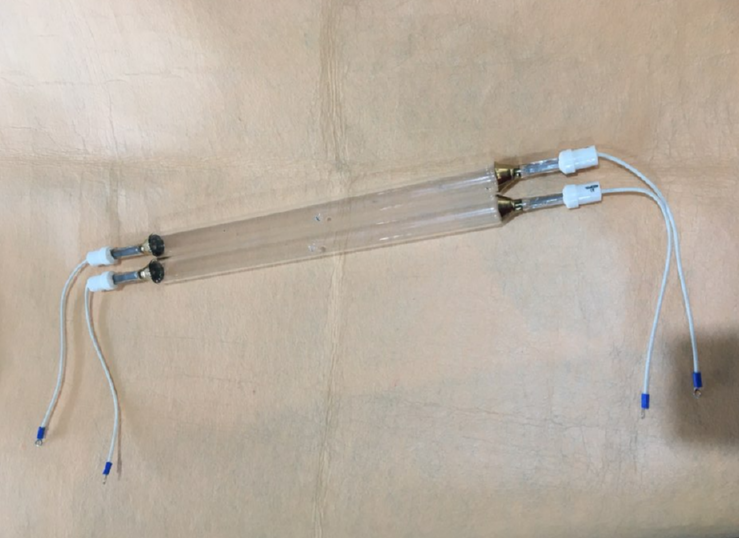
You can’t just pop a lamp in and walk away. These things runhot. Our tubes are great at ignoring electrical noise, but the heat density is still intense. You’ve got to make sure your cooling fans and heat sinks are actually up to the task. If your airflow is blocked, the quartz envelope is going to stress and eventually fail. It doesn’t matter how stable the electrical arc is if the glass can’t take the heat. We designed these to be simple drop-in replacements for high-volume shops. We kept the footprint exactly the same as the OEM specs. That way, you can swap them out during a quick maintenance window and get back to work without having to rewire your entire rack.